Namibia
...where Africa began
In 2010, I travelled to Namibia for the first time.
I went there with cameras, long lenses and a fascination for wildlife.
I came back with something I hadn't expected: a connection to Africa that would shape the way I photograph to this day.
The first road into Africa
In 2010, I travelled to Namibia for the first time. Africa had fascinated me for years, but until then it had existed mostly through photographs, books and films made by others.
I arrived with cameras, long lenses and a fairly simple idea of what I wanted to photograph: wildlife. What struck me first, however, was not an animal. It was the scale of the country itself — the endless roads, open plains and landscapes unlike anything I had photographed before.
At the time, I wasn't thinking about how this journey might influence my photography. I was simply trying to take it all in — and photograph as much of it as I could.
Photography had only recently become an important part of my life again. I had returned to it seriously in 2009, initially photographing birds and wildlife closer to home.
Namibia was the first time I took that growing fascination to Africa.
I had no idea where it would eventually lead.
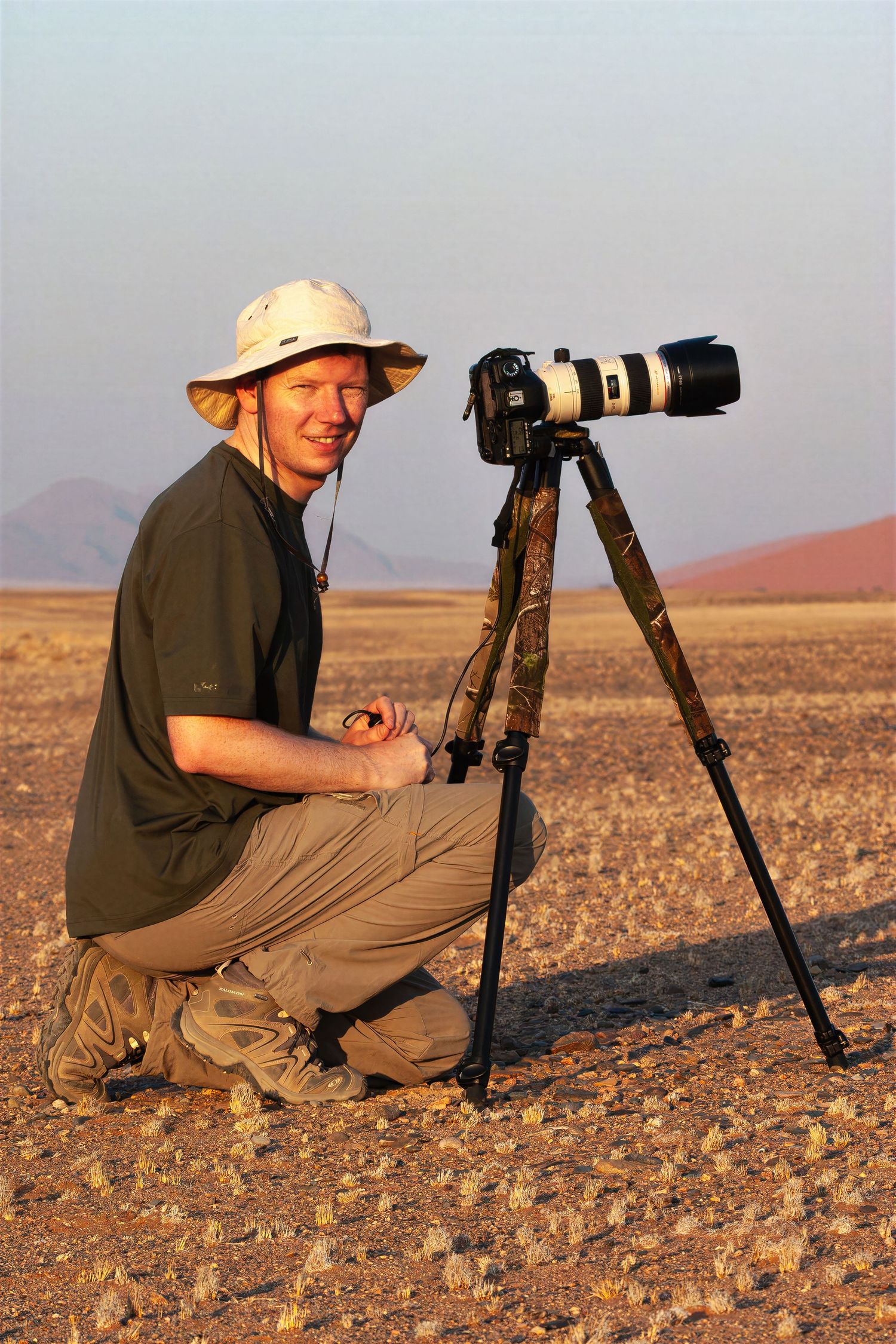
Namibia, 2010 — photographing Africa for the first time.
Learning to see differently
At first, wildlife was naturally what drew most of my attention. I wanted to get close, capture detail and come home with the photographs I had imagined before the journey.
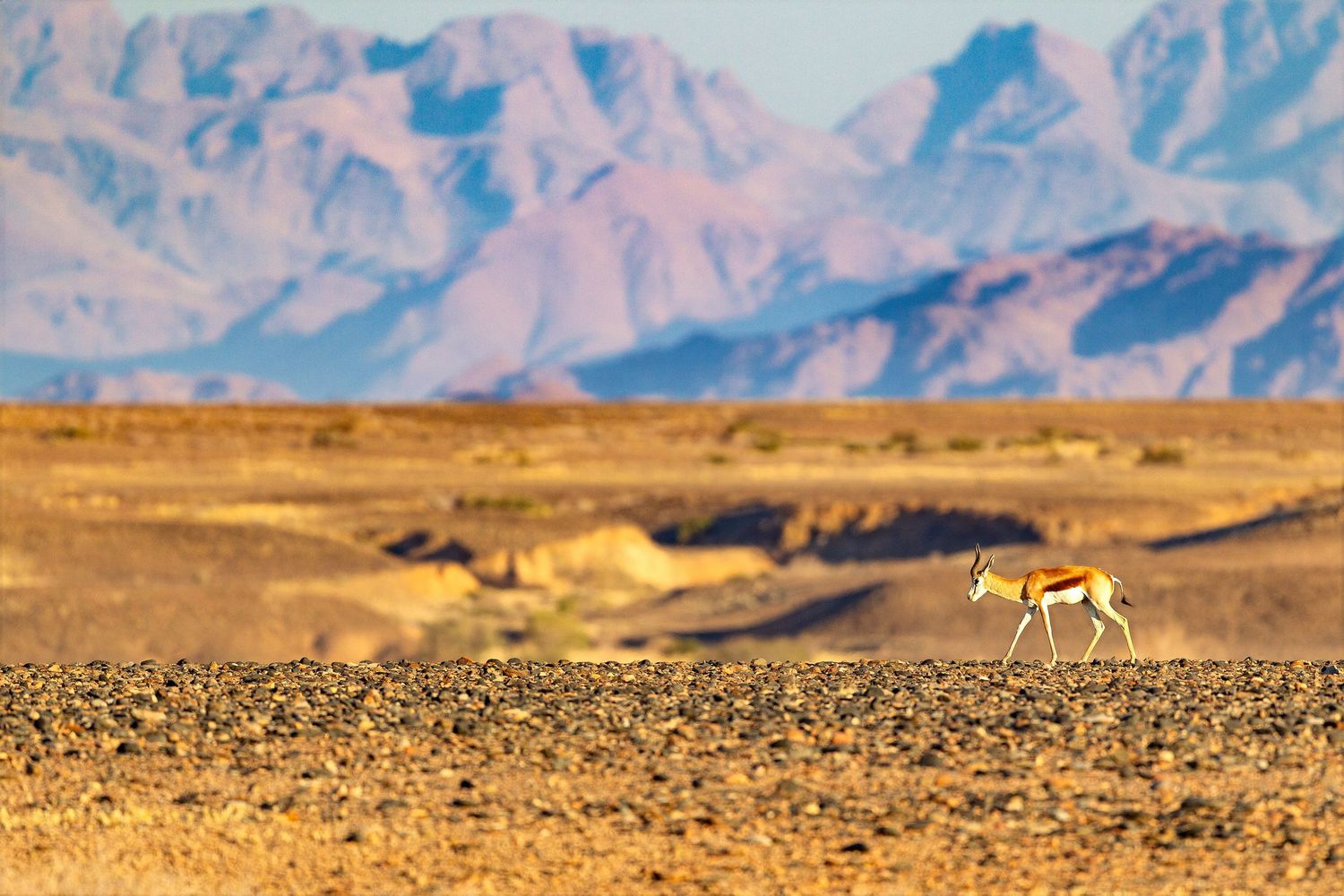
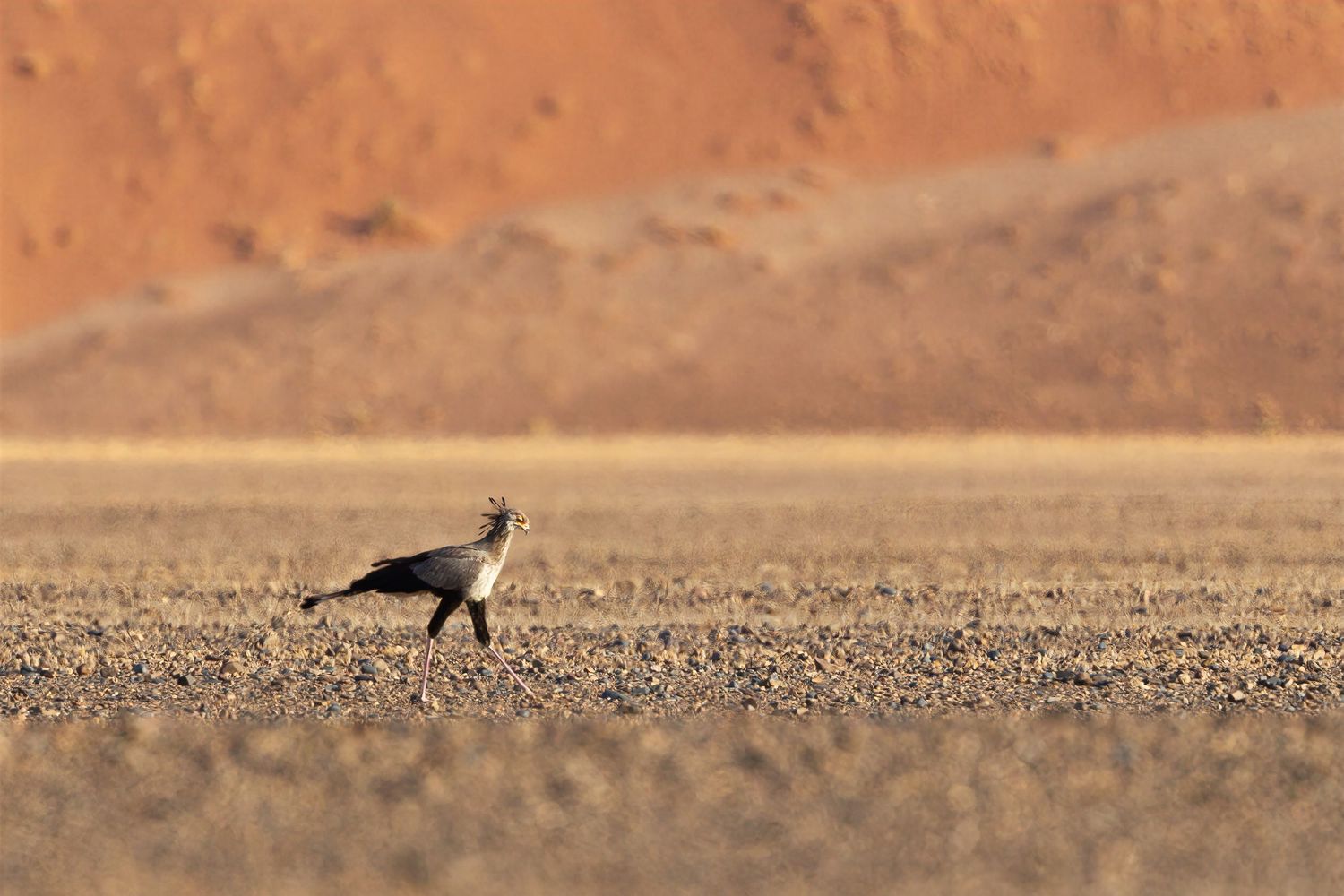
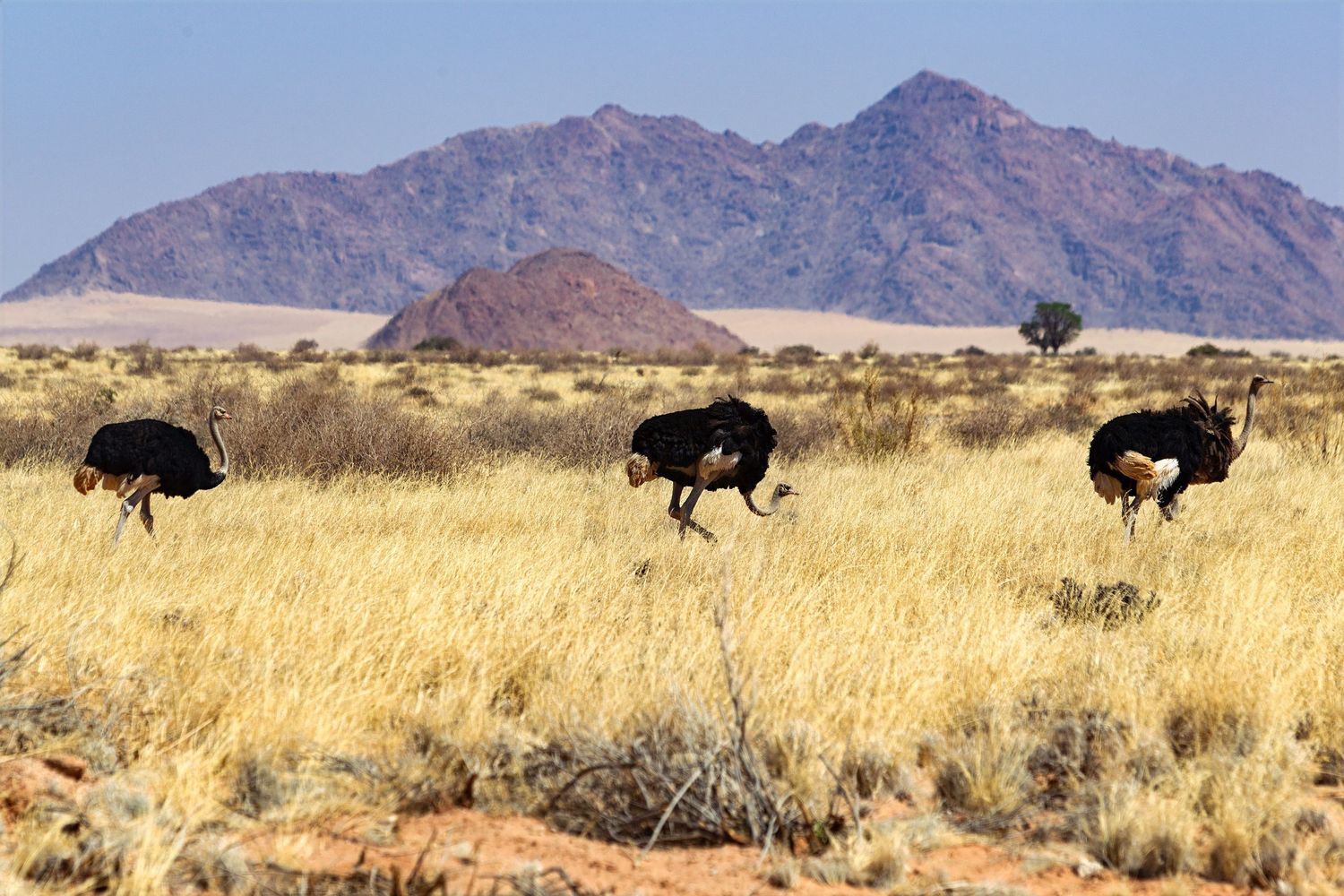
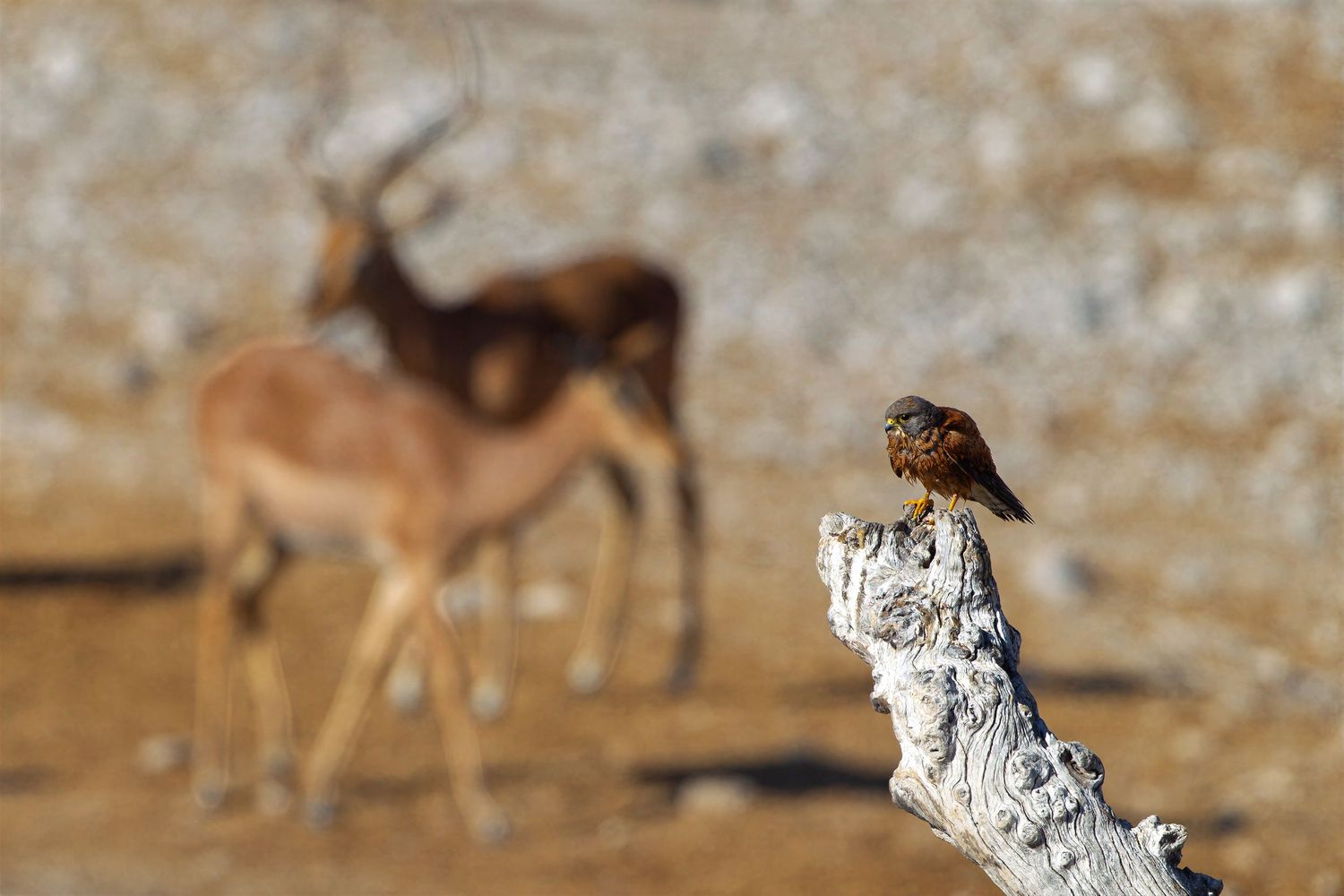
But Namibia gradually began to change the way I looked at a scene. The animal itself remained important, but so did the space around it — the landscape, another animal in the distance, or simply the sense of scale.
Looking back at these photographs today, I can see the beginnings of something that would become increasingly important to me: showing wildlife as part of the world it belongs to.
Encounters along the way
Wildlife encounters in Namibia were not limited to the moments when I was standing behind a tripod or deliberately searching for a photograph. They were part of travelling through the country itself.
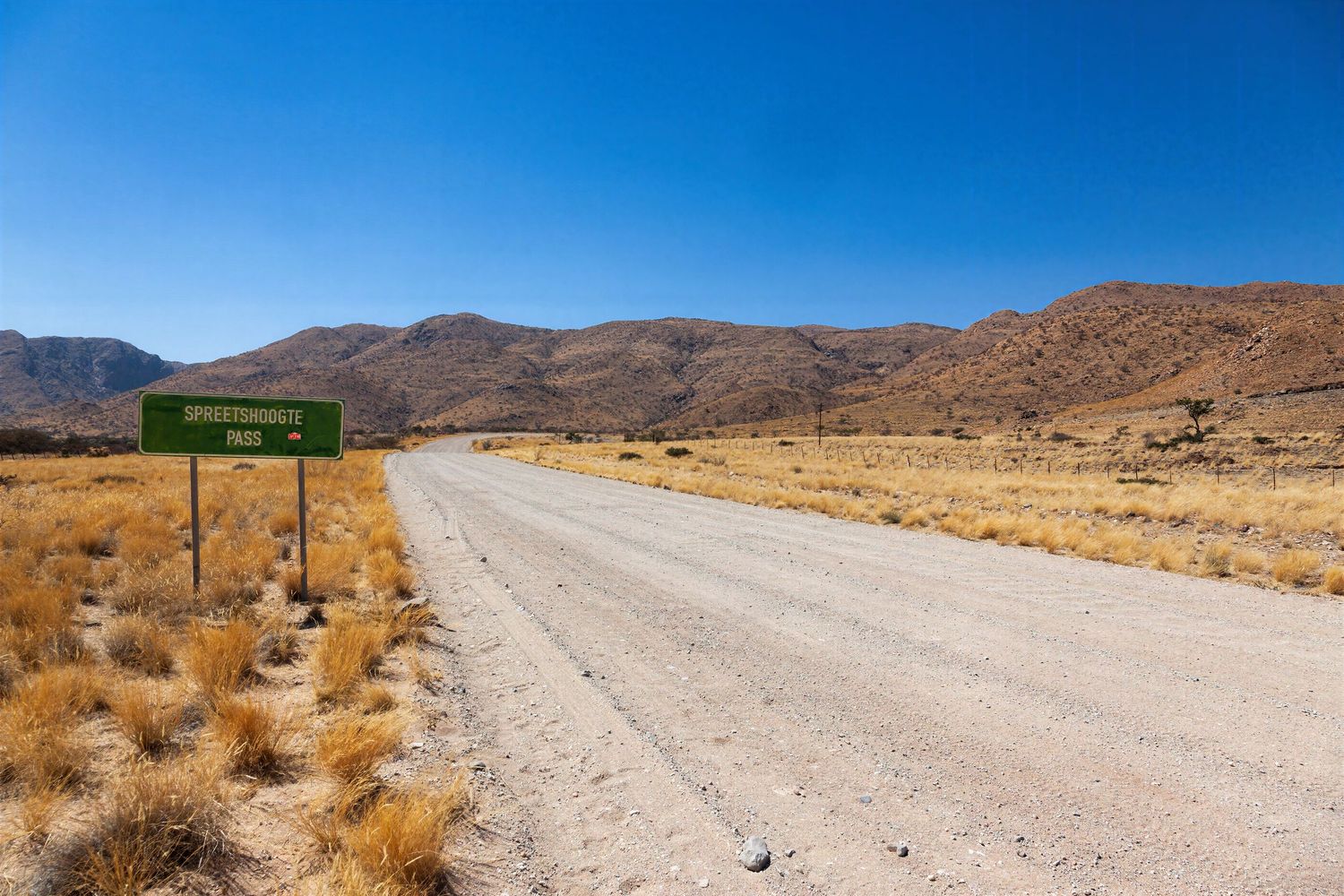
Roads crossed enormous open landscapes, signs reminded you that animals could appear at any moment, and sometimes an encounter happened before there was even time to think about composition or light.
Those moments became part of the experience too. Not necessarily the photographs I had travelled to Africa hoping to make — but often the ones that bring back the journey most immediately.
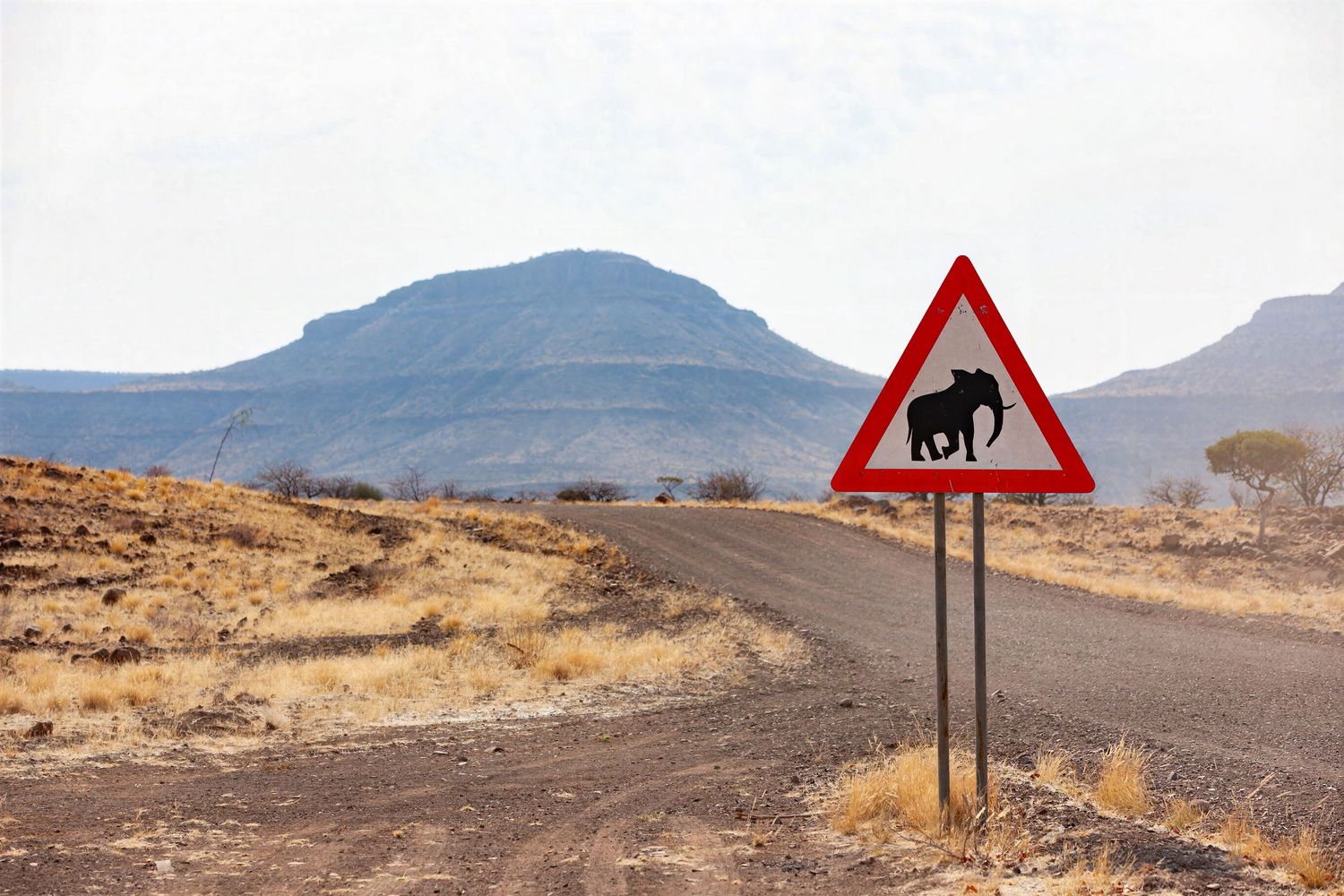
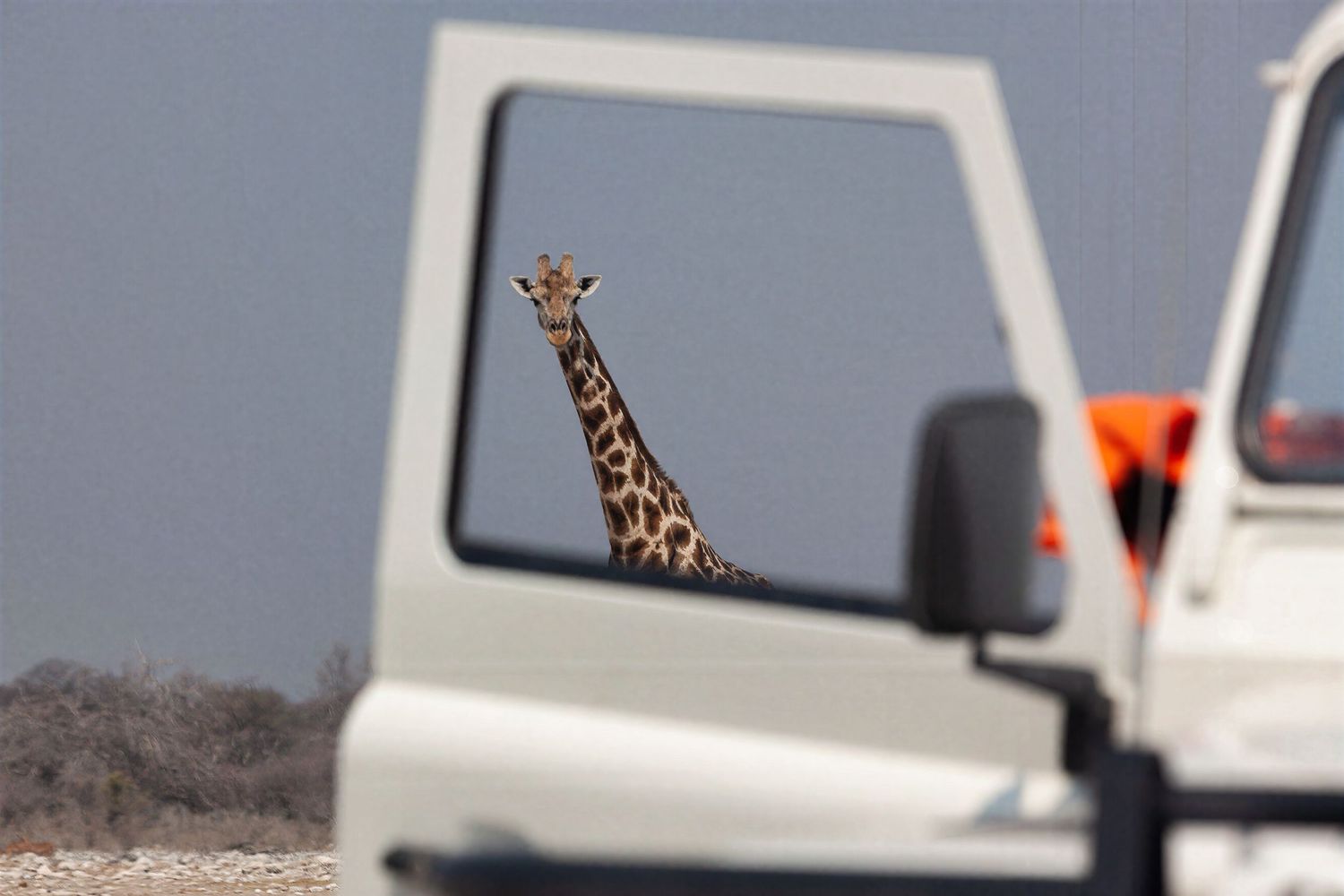
Sometimes the journey provided its own compositions.
Into the Namib
The further south I travelled, the more the landscape seemed to take over. Wildlife became less important, distances felt greater, and Namibia began to reveal a completely different character.
In the Namib, there was often very little in front of the camera — sand, sky, rock and light. Yet that simplicity made me look more carefully.
Shapes and lines became subjects in their own right, and the scale of the landscape changed the way I composed photographs.
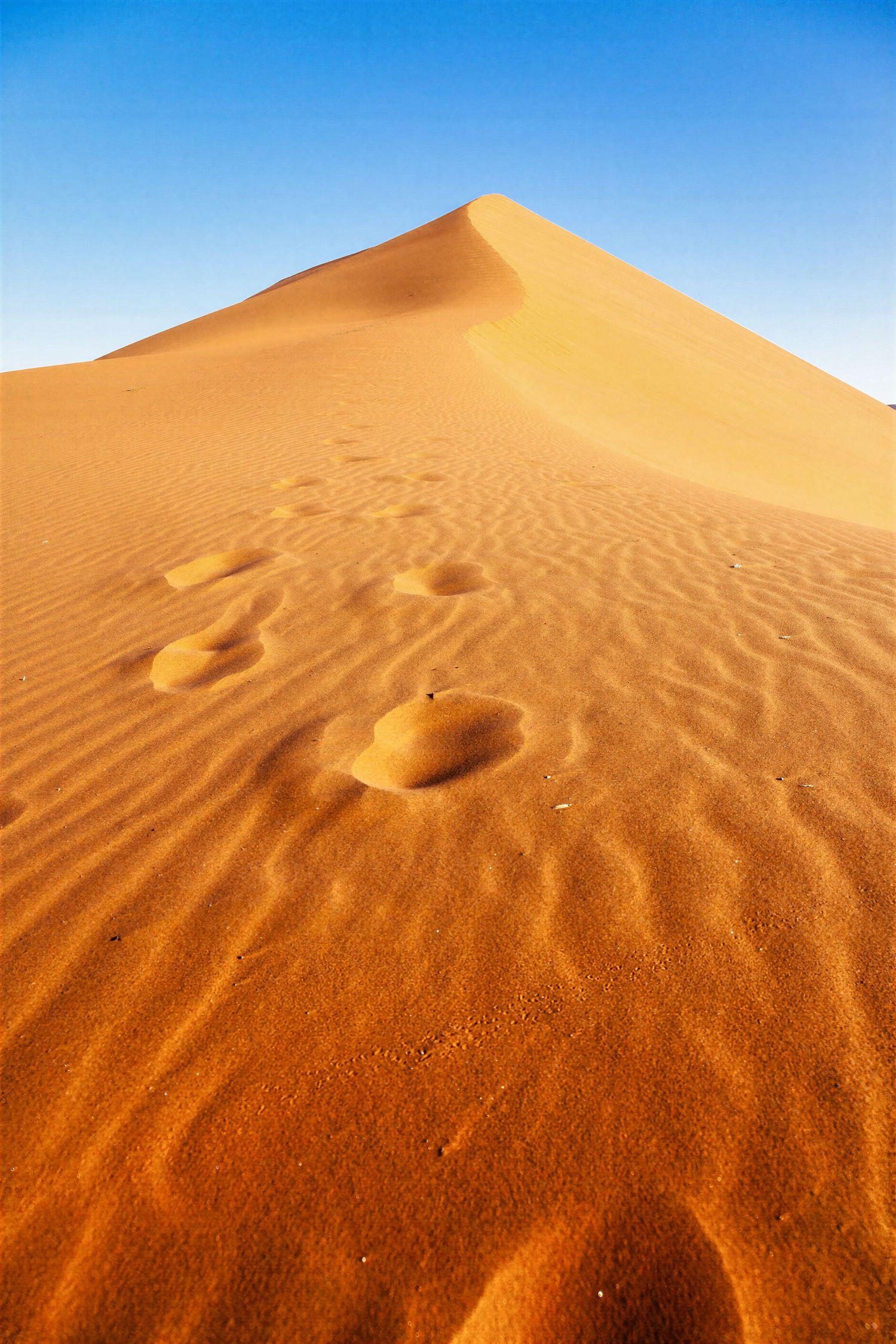
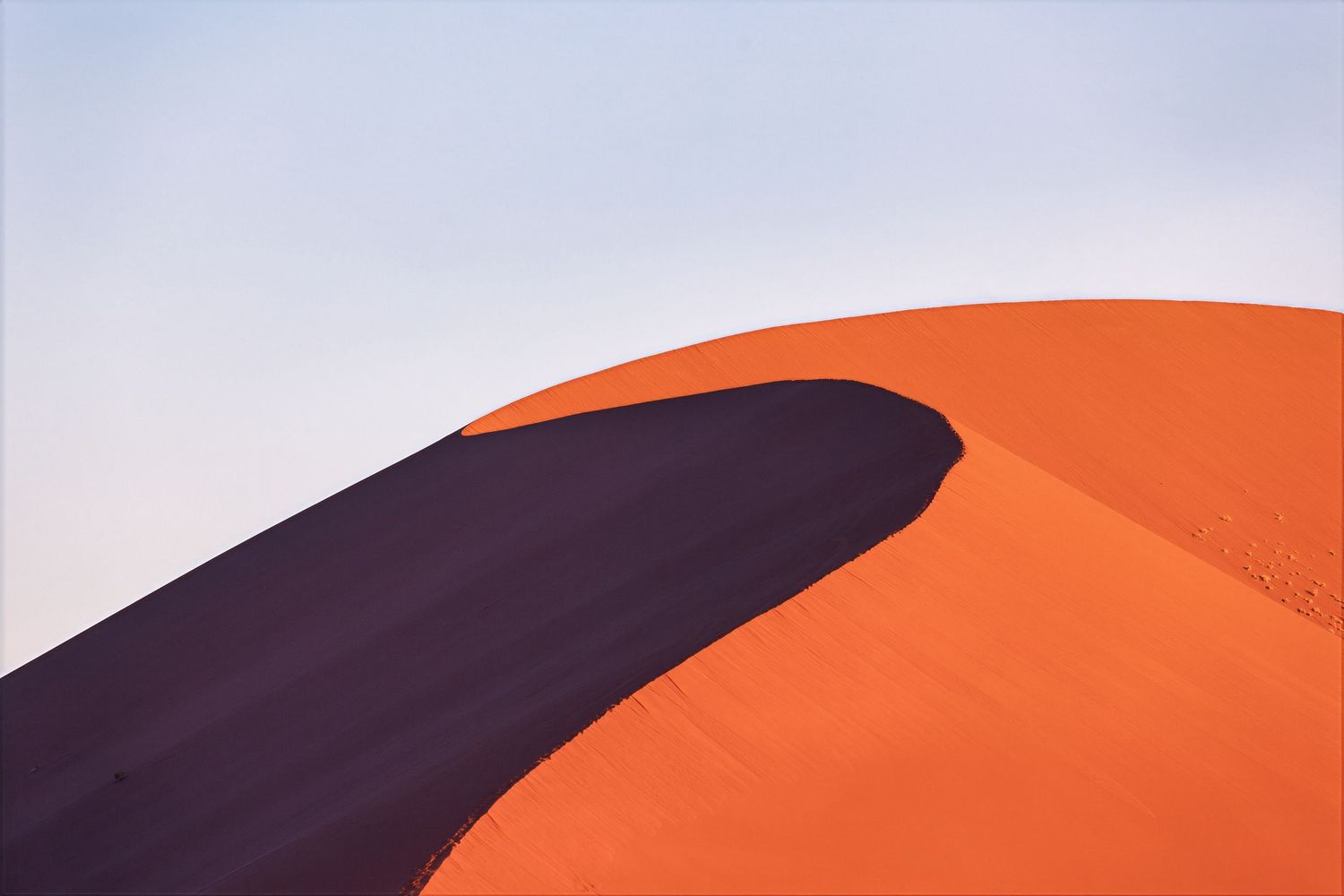
Around Sossusvlei, the dunes were constantly changing with the light.
What looked almost flat from a distance became a landscape of ridges, shadows and intense colour.
Sometimes the most interesting photograph was not the whole scene, but a small part of it.
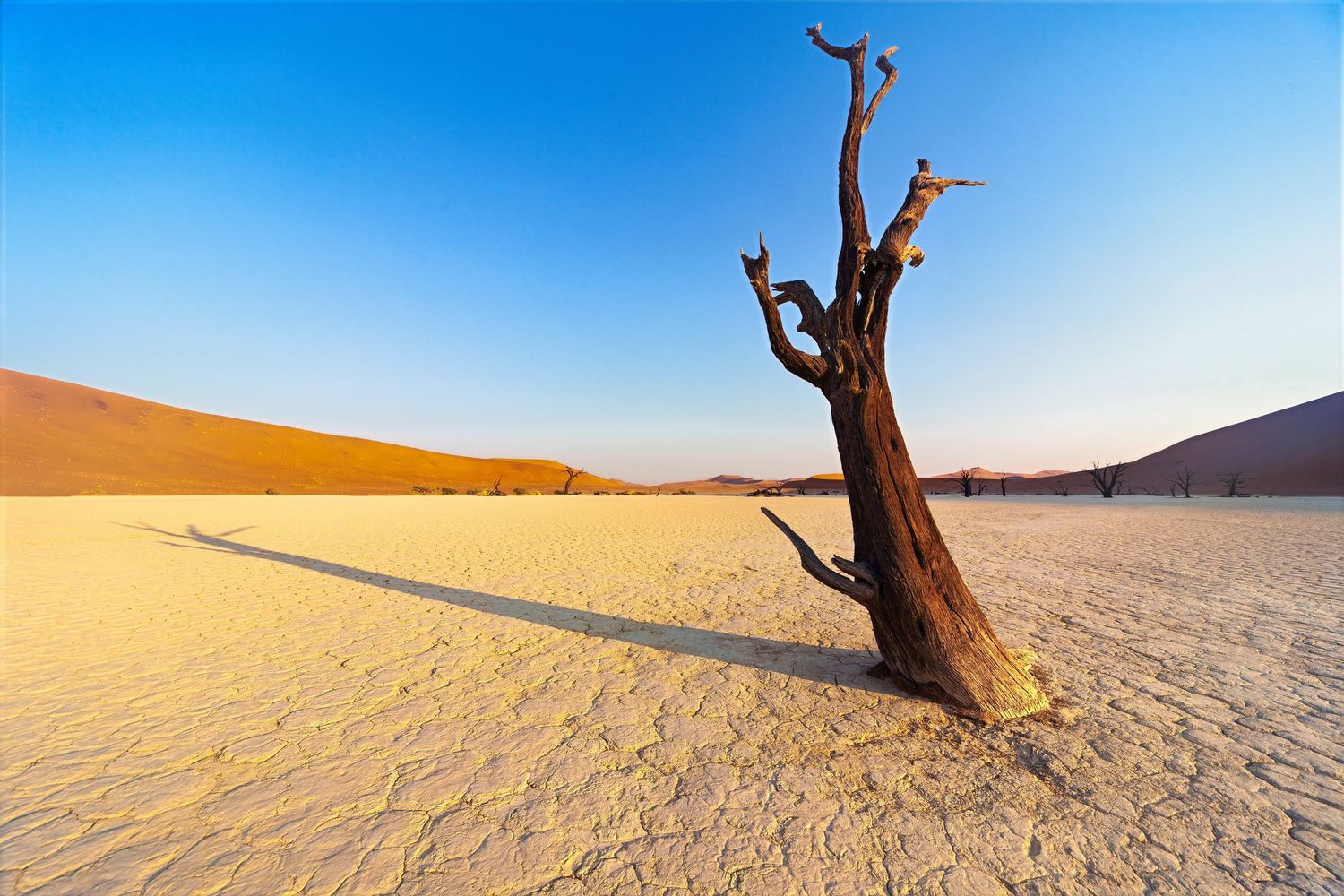
And then there was Deadvlei.
I had seen photographs of this place before travelling to Namibia, but being there was different.
The white clay pan, the dark skeletons of the camel thorn trees and the enormous orange dunes behind them created a landscape that hardly seemed real.
It was one of those places where photography becomes less about finding a subject and more about deciding what to leave out.