About
Mischa Ehlers
Where did it start?
Why Africa?
Why wildlife?
Why do I share my photographs?
Photography entered my life long before wildlife did.
My father had a Kodak Retina 1B, which eventually found its way to my sister when she joined a photography club at school.
I followed her into the darkroom, learned to develop black-and-white film and make my own prints — and was fascinated by watching an image appear on a blank sheet of paper.
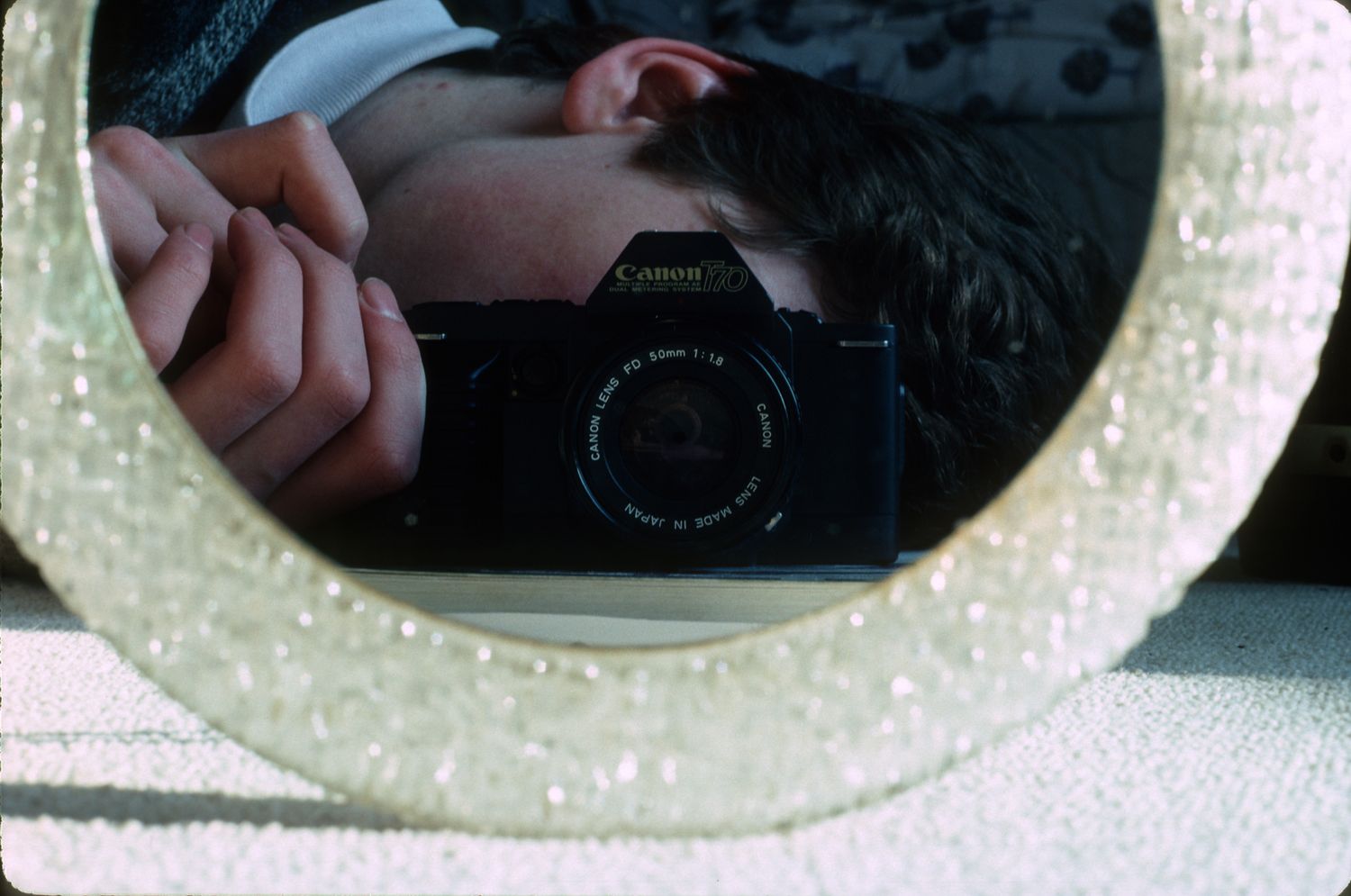
My first camera was a Canon T70. I photographed whatever was around me, experimented, travelled with it and eventually built my own small darkroom in the basement.
After a break during university and the first years of my career, I returned to photography around 2009. By then, film had given way to digital — and suddenly I could take as many photographs as I wanted and see the result immediately.
Travel photography soon led me towards wildlife, first closer to home and later on trips to Florida.
And then came Africa
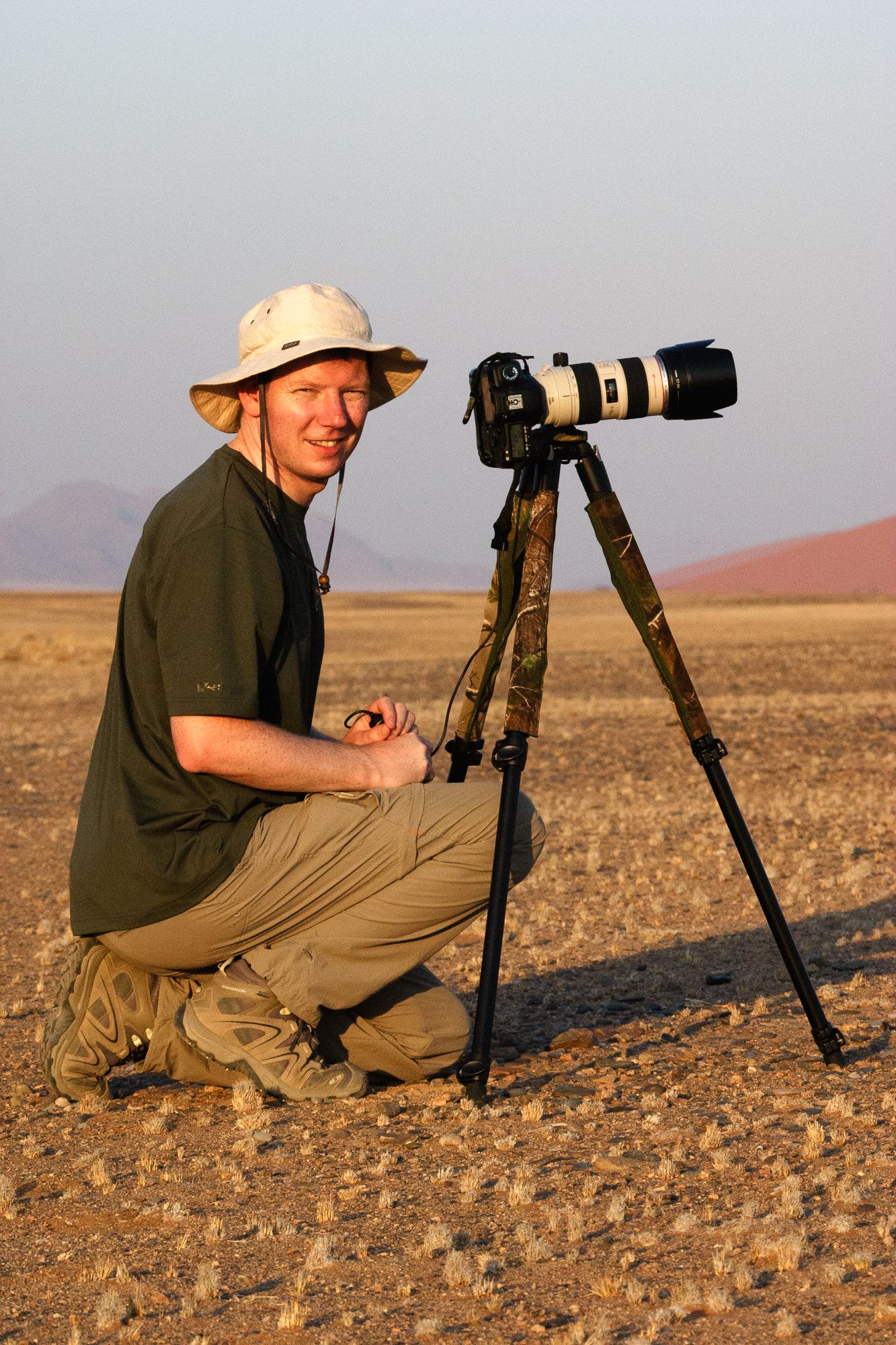
My first journey to Africa was Namibia in 2010.
Until then, many of the animals I photographed were animals I knew from zoos, books or television.
Seeing them for the first time in their natural environment changed something fundamental for me. An animal was no longer simply a subject — it belonged to the landscape, the light, the dust and everything happening around it.
Namibia also changed the way I thought about wildlife photography. I discovered the tension between getting close enough to capture expression and behaviour, and stepping back to show an animal as part of a much larger landscape. That balance still fascinates me today.
Further journeys through southern Africa deepened that connection, while a photography trip to Kenya’s Maasai Mara opened up new ways of working with light, atmosphere and space.
I was learning how to photograph wildlife.
But eventually, I realised that I wanted to understand much more about what I was photographing.
From photography to understanding
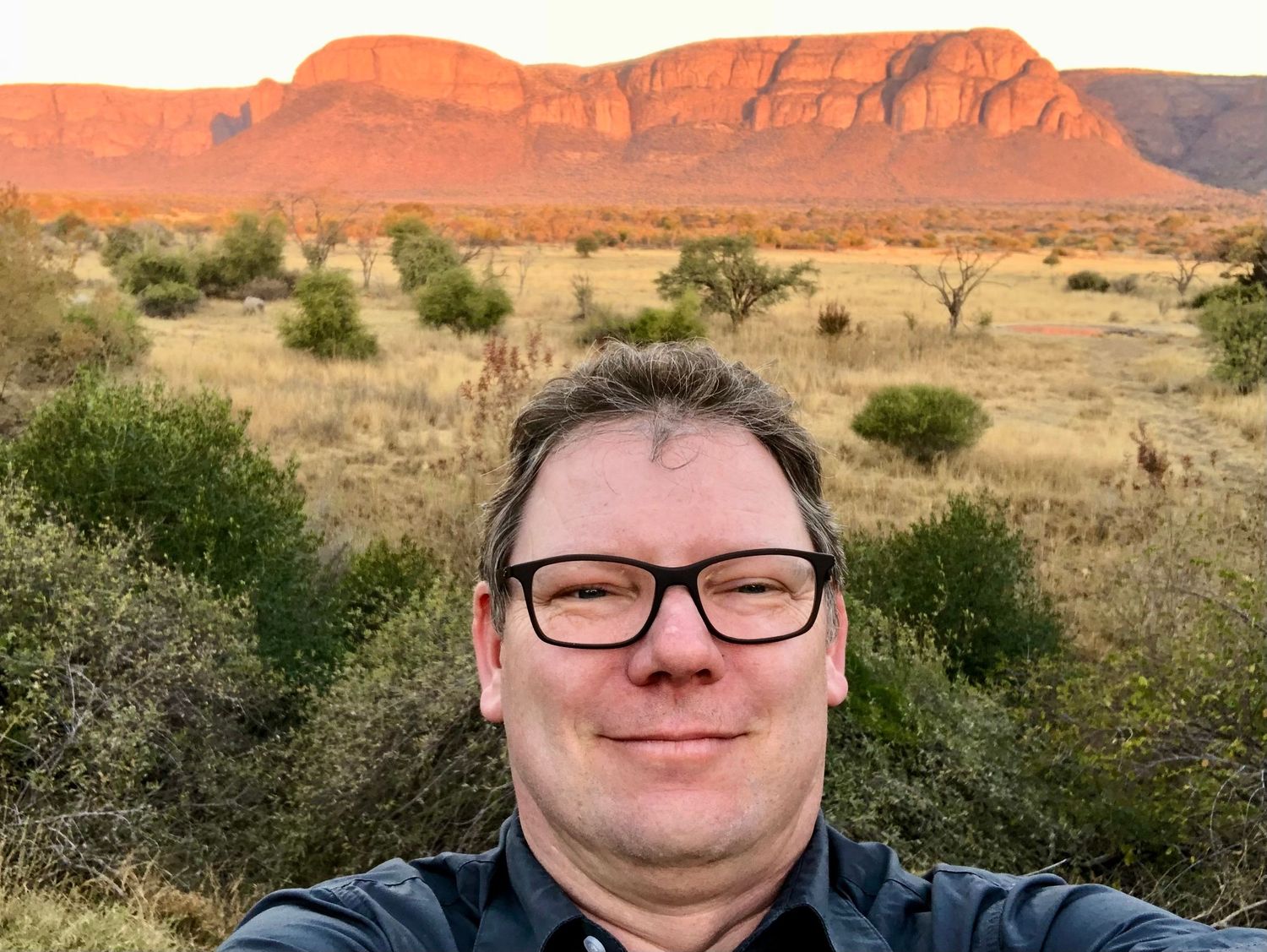
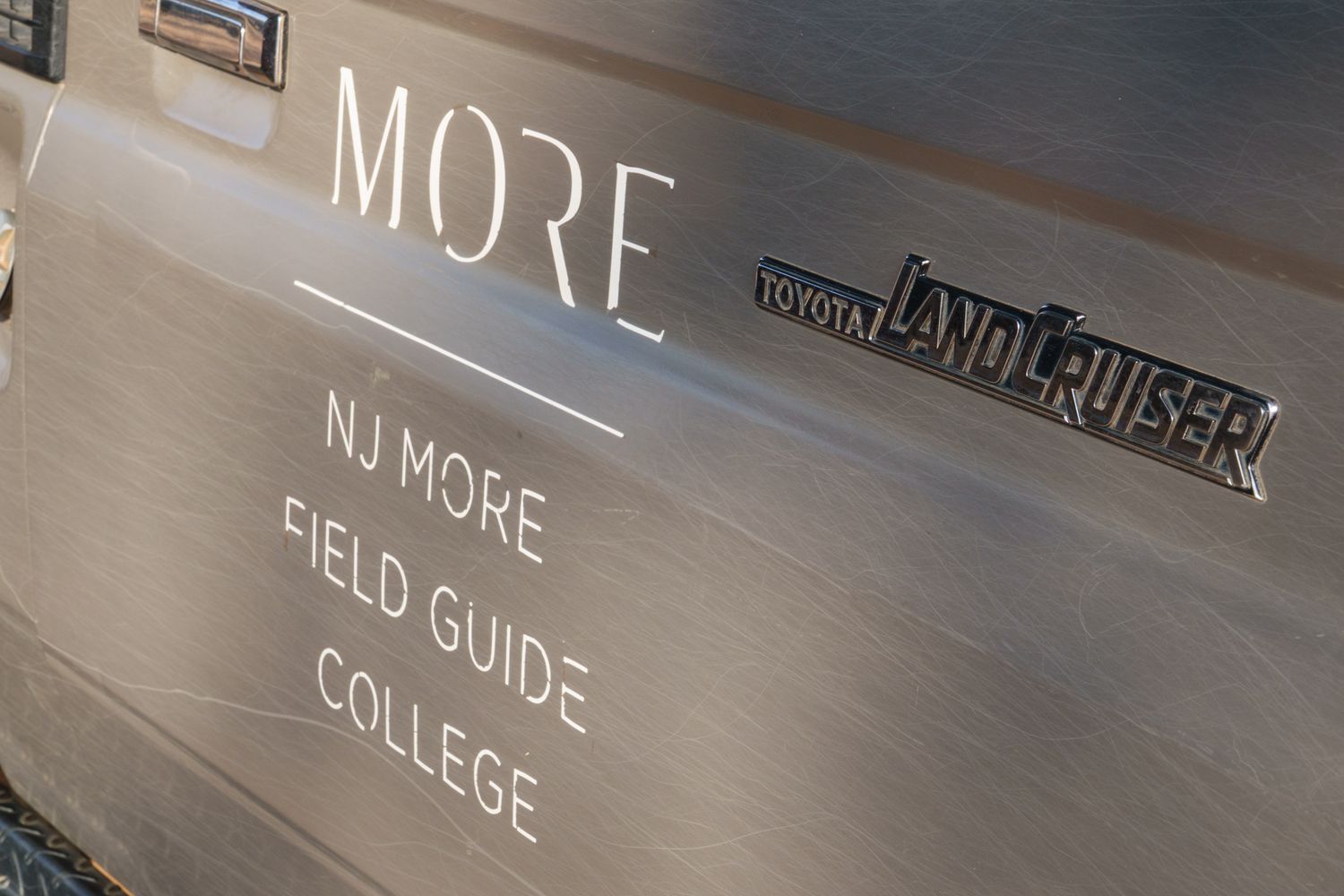
In 2019, I took three months away from my regular career and went to South Africa’s Waterberg region to train as a field guide.
Suddenly, looking was no longer enough. I had to learn to recognise more than a hundred bird species, not only by sight but also by their calls. I learned about animal behaviour, tracks, plants and the relationships within an ecosystem. The landscape became something to read rather than simply a backdrop to photograph.
Understanding an animal and its environment helps me recognise behaviour, anticipate what might happen next and be ready before the moment unfolds.
First I learned how to make photographs. Then I learned how to photograph wildlife.
Now I was learning how understanding wildlife could make me a better photographer.
The Return
When I returned home in 2019, I did not know that it would take seven years before I would set foot in Africa again.
Life took me in other directions for a while, and the pandemic made returning impossible for part of that time. Africa never really disappeared from my mind, but it had to wait. Then, towards the end of 2025, I knew it was time to go back.
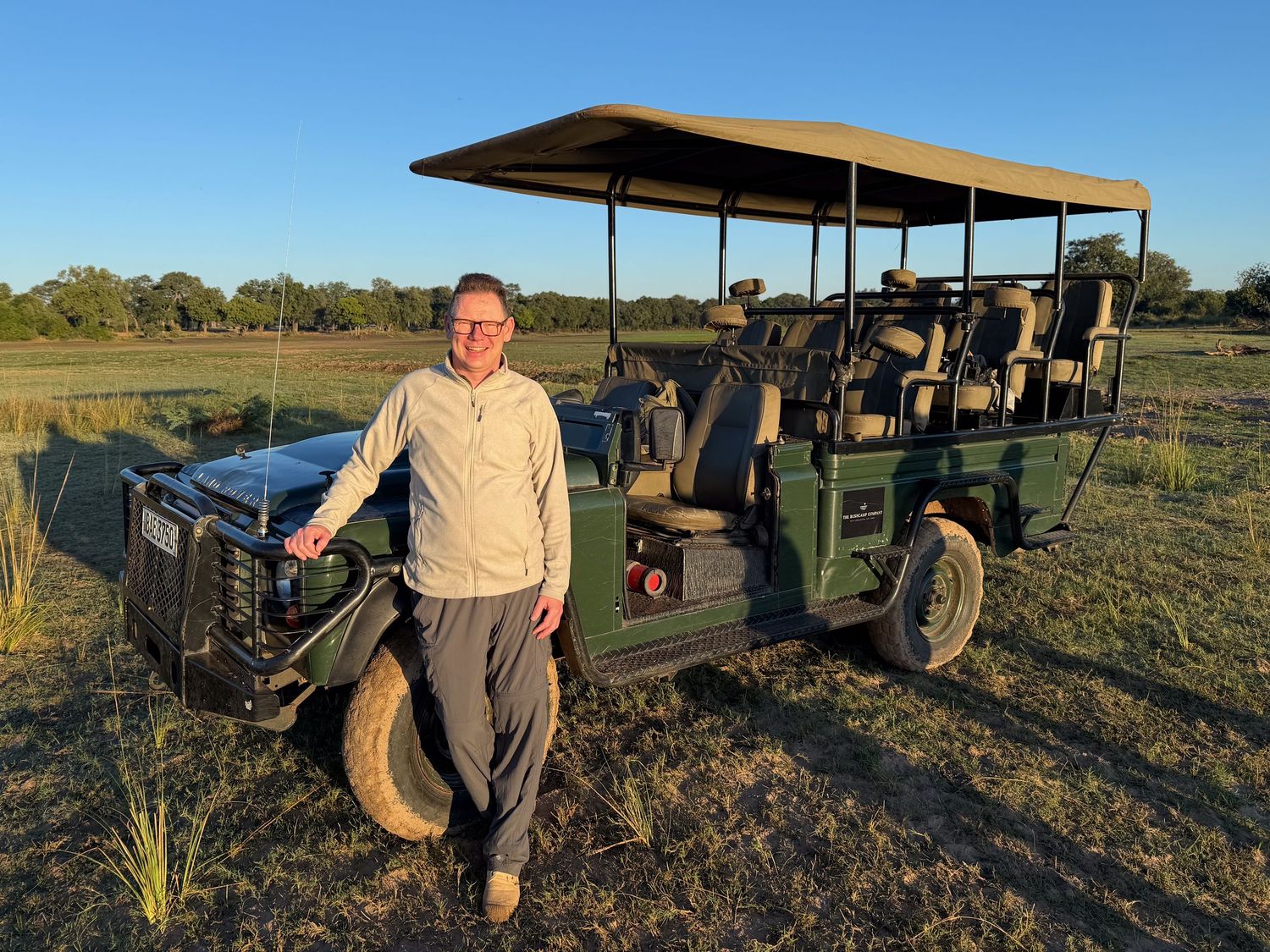
In 2026, I returned twice.
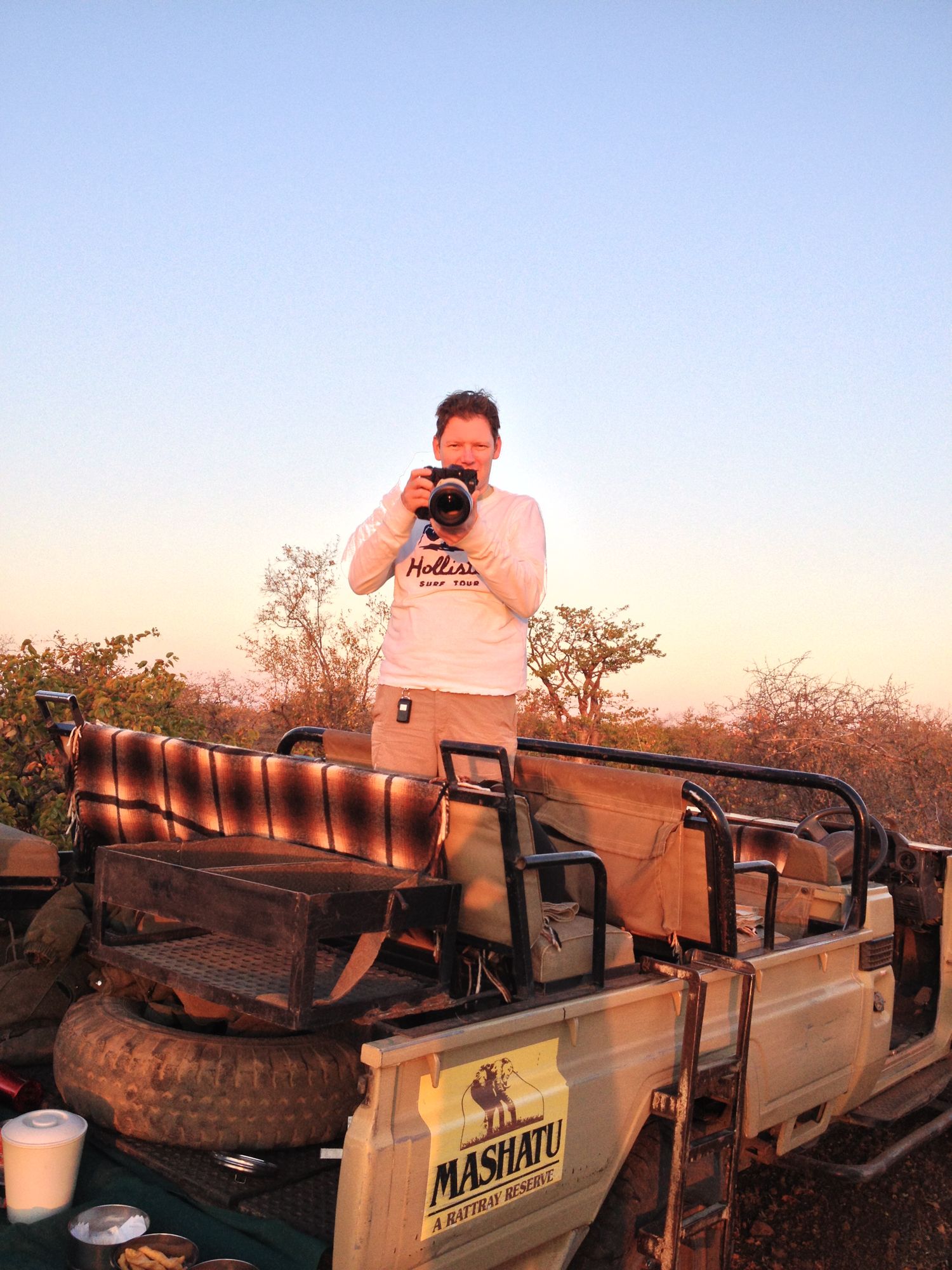
Zambia came first, photographing in South Luangwa and along the Lower Zambezi. Working again with an experienced wildlife photographer made me question my own approach and reconnect with knowledge that had become less immediate during the years away. Later that year, I returned to Mashatu, a place I had first visited more than a decade earlier.
More importantly, the curiosity is back — about the animals, their behaviour, the landscapes and how all of this can become a photo.
I do not know where the next journey will take me yet.
I know there will be one.
Why I share my work
The reason I share my photographs is simple:
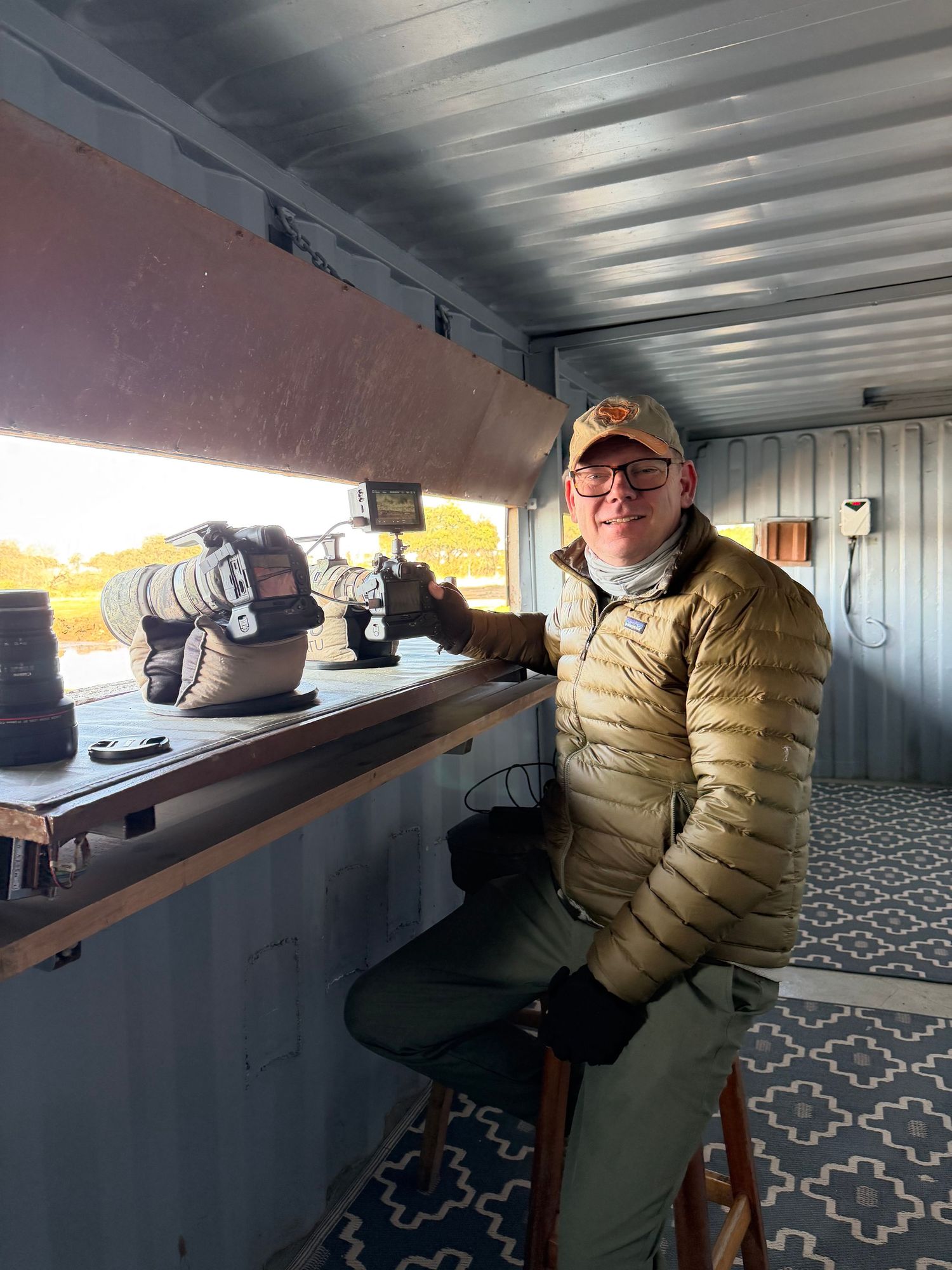
I want others to experience something of what I saw — an animal emerging from the landscape, a brief interaction, extraordinary light, or sometimes simply the quiet of a scene that stayed with me long after I put the camera down.
Of course, there is satisfaction in creating an image that works and in knowing that other people respond to it. But recognition has never been the main reason for doing this.
What matters more to me is the opportunity to share an experience.
We have become accustomed to looking at photographs very quickly. One image replaces another before we have really had the chance to see it.
Here, I want to give photographs more space and more time. Some reveal themselves immediately; others need a second look — a gesture, a detail in the light or an animal within a much larger landscape.
That is how I like to look at photographs myself.
And it changed the way I see